Comprehensive Resource of Water Damage Repair Options: What You Ought to Understand
Water damage can come from diverse sources, often leading to significant health and structural concerns. Understanding the immediate actions to take is essential. A comprehensive review can avoid extra problems and aid in processing insurance requests. The cleaning process demands careful focus on specifics. However, the selection of a reliable repair company often becomes a key factor in effective restoration. What approaches can property owners employ to safeguard their properties against future events?
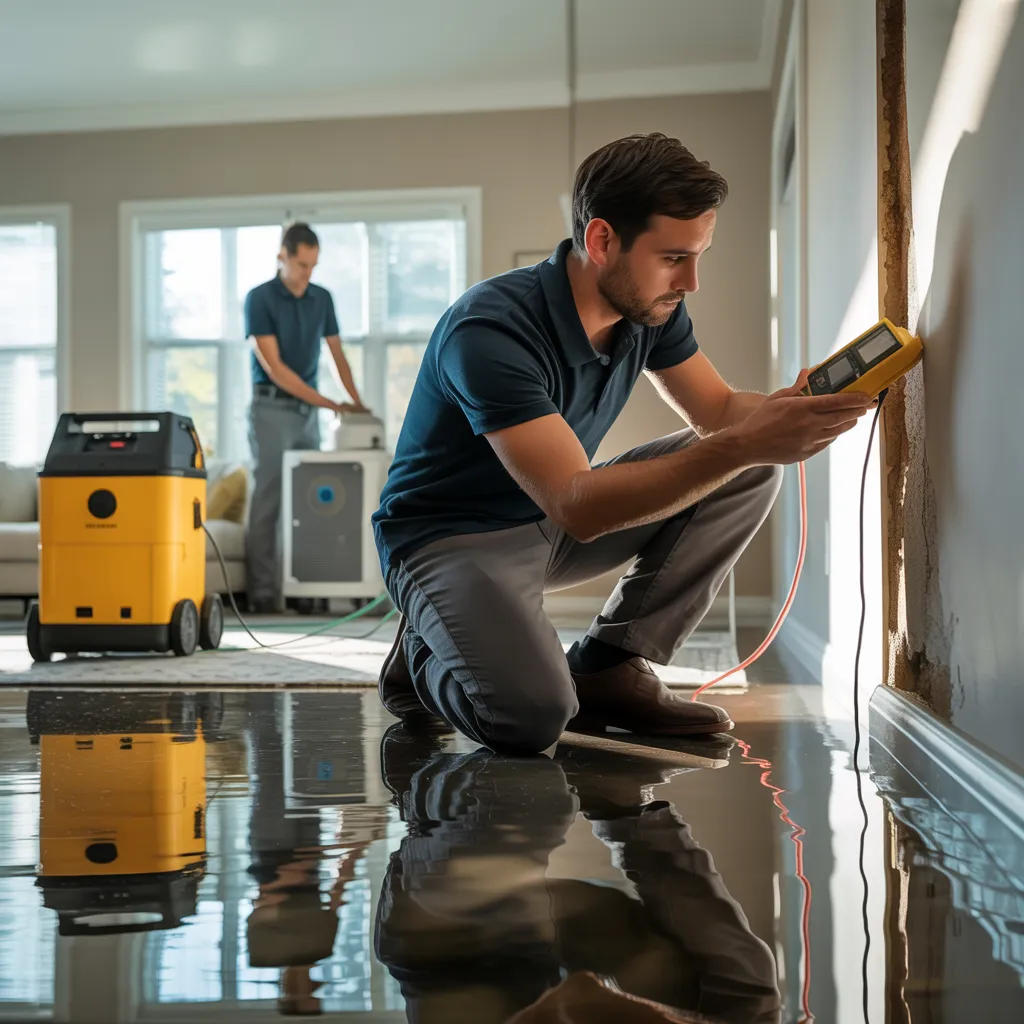
Detecting Aquatic Damage Clues: Contributing Factors and Urgent Steps
Identifying water damage takes careful watching and prompt action. Common causes include roof leak problems, plumbing failures, and water intrusion. These issues can appear as clear stains, mold presence, or damaged surfaces. Homeowners should regularly inspect areas prone to moisture, such as basements, bathrooms, and kitchens, observing discoloration or musty odors that may indicate hidden damage.
In addition to visual cues, assessing for elevated humidity levels can signal water problems. If any evidence of damage are recognized, rapid response is vital. This may include cutting off the water supply, removing accumulated water, or dehydrating affected areas to avert further deterioration. Postponing your response can amplify problems, causing foundational damage and medical risks. Detecting and fixing water damage rapidly can reduce major repair expenses and boost the durability and safety of the property.
The Essential Nature of Immediate Water Damage Review
Expedited water damage inspection is vital for establishing the extent of damage and preventing further complications. Rapid evaluation not only assists in effective recovery but also enables the claim process. Addressing water damage promptly can greatly lessen long-term impacts on property and finances.
Rapid Damage Identification
Quick damage identification plays an critical role in productive water damage restoration. Prompt assessment permits property owners and restoration professionals to gauge the magnitude of the damage, which is vital for determining the necessary restoration steps. Early detection permits a detailed review of affected areas, including hidden spaces like walls, floors, and ceilings, where moisture may linger and cause further degradation. Additionally, immediate identification helps in minimizing potential health risks associated with mold growth and structural instability. By promptly evaluating the damage, restoration teams can develop a targeted action plan, organize repairs, and allocate resources optimally. Ultimately, swift damage identification is pivotal in limiting losses and ensuring a successful restoration outcome.
Stopping More Problems
Once an initial evaluation of water damage is complete, the next step calls for a detailed evaluation to prevent further setbacks. This assessment is indispensable in spotting areas at hazard for mold growth, structural instability, and electrical hazards. Professionals typically survey affected materials, including drywall, flooring, and insulation, to gauge their condition and whether they necessitate replacement or drying. Immediate action can mitigate long-term damage, ensuring that moisture is promptly eliminated and the environment is stabilized. Additionally, confronting potential sources of water intrusion, such as leaks or drainage issues, is mandatory. By prioritizing swift and extensive appraisals, property owners can safeguard their investments and maintain a safe living environment, curbing the likelihood of extensive repairs and health risks in the future.
Insurance Claim Support
Promptly documenting water damage is crucial for property owners pursuing insurance claims. An immediate assessment helps establish the extent of the damage, which is vital for filing a approved claim. Insurance companies often require detailed evidence, including photographs and reports from restoration professionals. This documentation should include the source of the water, the affected areas, and any immediate actions taken to mitigate further damage.
Contracting a restoration service can facilitate this procedure, as they possess the expertise to deliver precise evaluations. Furthermore, timely documentation can prevent issues in claim submission, ensuring that property owners obtain the required funds for repairs. In the end, swift action can significantly impact the result of an insurance claim involving water damage.
Water Damage Cleanup Process Steps
The water damage cleanup process involves multiple essential steps to effectively restore a property. First, determining the origin of the water infiltration is vital to avoid further damage. Next, the area must be safely evacuated, ensuring that all occupants are moved to a secure location. Once the space is clear, water removal starts, using specialized equipment to extract standing water.
Once extraction is done, the moisture removal stage starts, using dehumidifiers and air movers to eliminate moisture carpets, walls, and furniture. This step is critical in preventing mold growth and structural damage. Following drying, the disinfection and cleaning of affected areas occurs, making sure contaminants are cleared. Finally, any damaged materials, such as drywall or flooring, should be replaced. Completing these steps thoroughly is key for effective restoration and to restore the property to its pre-damage condition.
Effective Repair Methods for Water Damage
Effective restoration techniques for moisture harm focus on key processes that ensure complete restoration. Water extraction methods are crucial to eliminate excess moisture, followed by drying and moisture reduction to prevent further issues. Additionally, implementing mold prevention strategies is necessary to protect affected areas from future contamination.
Methods for Water Extraction
Water removal methods serve an important function in mitigating damage after flooding or leaks. These techniques are essential for eliminating standing water promptly to avoid further building deterioration and mold growth. Common methods feature the use of pump systems, which effectively expel large volumes of water from affected areas. Additionally, truck-mounted vacuums can handle considerable extraction tasks, making them ideal for widespread flooding situations. Portable extractors also serve well in confined spaces, facilitating targeted water removal. The efficiency of these methods depends on prompt action and the severity of the water intrusion. Utilizing the appropriate equipment ensures a thorough approach to water extraction, setting the stage for subsequent restoration efforts.

Water Removal and Dehumidification
Achieving complete drying and dehumidification is crucial for restoring buildings affected by water damage. Effective drying involves using professional equipment, such as powerful air movers and industrial dehumidifiers, to eliminate moisture from affected areas. This process typically begins within 24 to 48 hours post-extraction to prevent further damage. Monitoring moisture levels with hygrometers confirms that all areas reach adequate dryness, especially in hidden spaces like walls and under flooring. Dehumidification aids in maintaining ideal humidity levels, preventing secondary issues. The combination of adequate air circulation and dehumidification effectively reduces the risk of lingering moisture that could compromise structural integrity. Ultimately, a meticulous approach to drying and dehumidification is essential for successful water damage restoration.
Mold Prevention Plans
Mold control is necessary following water damage because even trace amounts of residual moisture can foster considerable growth. Effective practices include drying thoroughly and dehumidifying affected areas, ideally within a 24 to 48-hour window after exposure. Employing air movers and dehumidifiers assists in lowering humidity levels, while sealing any leaks or cracks avoids future moisture entry. Frequent inspections of hidden locations, such as attics and basements, enable early detection of mold growth. It is also prudent to maintain adequate ventilation indoors and use mold-resistant products when renovating. Finally, a proactive approach like monitoring humidity levels can significantly decrease the likelihood of mold development and preserve the property's integrity.
What to Expect When Fixing Foundation Damage
Addressing structural damage requires a thorough understanding of both the degree of injury and the necessary steps for restoration. Initially, a detailed assessment is conducted to locate affected view details areas, including walls, surfaces, and foundations. This assessment informs the restoration work, guaranteeing that all compromised structures are addressed.
Next, junk removal and drying are paramount. Effective drying hinders advanced degradation and sets up the site for remediation. After drying, specialists may brace or replace damaged materials, such as beams or drywall, using proper methods to restore cohesion.
Inspections must be completed to ensure compliance with safety requirements. At the end, finishing touches, including painting and flooring, are performed to match the original aesthetic. Throughout this work, transparent communication with property owners is essential, sharing updates and setting realistic expectations. Understanding these stages assists homeowners in navigating the difficulties of structural restoration after water-related damage.
Opt for a Credible Water Damage Reconstruction Provider
In what way can property owners guarantee they identify a reputable water damage remediation service? First, detailed research is necessary. Homeowners should seek companies with outstanding credibility, often reflected by online assessments and endorsements. Checking for certifications and credentials can further substantiate that the service adheres to industry standards.
Then, gathering multiple quotes permits homeowners to review options while assessing transparency in pricing. A trustworthy company should furnish transparent quotes without hidden fees. Additionally, checking the experience of the technicians can expose the company's knowledge in handling specific types of water damage.
Additionally, fast turnaround times are vital; a trustworthy service should be accessible 24/7 to handle emergencies. Ultimately, verifying that the company provides an expansive range of services—including water extraction, drying, and repairs—can ensure that all aspects of the restoration process are addressed. By adhering to these guidelines, homeowners can make well-informed decisions and obtain effective water damage restoration.
Advice for Avoiding Future Water Damage in Your Home
After selecting a dependable water damage repair company, homeowners can implement preventative measures to minimize the risk of future incidents. Regular inspections of plumbing and appliances are crucial; leaks can form subtly over time. Homeowners should also make certain that gutters and downspouts are clear, directing water away from the foundation. Adding sump pumps in basements can efficiently control excess water during heavy rains.
Another key method is to sustain appropriate air circulation in humidity-susceptible areas, such as bathrooms and kitchens. This can be achieved through exhaust fans or drying devices. Additionally, property owners should consider applying detection sensors that trigger alarms when moisture is detected, giving advance notice.
To summarize, verifying that the home's base is well-drained and correctly angled can prevent water accumulation. By executing these strategies, homeowners can greatly reduce the likelihood of water damage in their homes.
Questions That Are Frequently Posed
Water Damage Remediation Pricing: What to Anticipate
Generally, water damage restoration ranges from $1,000 and $5,000, depending on the extent of the damage. Elements affecting the total price consist of the size of the affected area, severity, and necessary repairs or replacements.
Does My Insurance Cover Water Damage Restoration Expenses?
Coverage protection for water damage repair differs by policy and circumstances. Generally, standard homeowners' insurance may include sudden, accidental damage, while flood damage often necessitates specific flood insurance. Examining the policy details is crucial for understanding.
What timeframe should you anticipate for the restoration project?
Restoration activities typically demand between three days to several weeks, depending on the level of deterioration, the magnitude of affected space, and the efficiency of the repair unit handling the situation.
Can I Continue Living in My Home Throughout the Repair Project?
Occupying a home during renovation is contingent on the extent of the harm. If significant repairs are necessary, safety concerns may require temporary relocation. Evaluating air quality and structural soundness is essential for making this decision.
How Should I Manage My Belongings During Repair?
During reconstruction, it is prudent to clear out household items from affected areas. Objects should be positioned in a safe, dry location to prevent more harm, ensuring both safety and straightforward access during the restoration process.